Top 5 Digital Marketing Strategies to Grow Your Small Business
Digital marketing has changed the entire marketing landscape; what looked like two guys spinning signs to get foot counts has become click counts.
This must be the first time that well-recognized corporate executives have looked down and started adopting shooting TikToks as their growth strategy.
If you are a small business owner trying to set up a business or someone who has been out for a while but has not seen much of a result, we have you covered.
What is Digital Marketing for Small Businesses?
The pandemic gave rise to two things: the concept of working from home and digital marketing. Digital marketing is the process of promoting your products/ services online. Marketing specialists often do this, placing the company’s offering through various channels, like the ones mentioned below.

Ten different forms of digital marketing:
- Affiliate Marketing
- Content Marketing
- Email Marketing
- Marketing Analytics
- Mobile Marketing
- Video Marketing
- Website Marketing
- Pay-Per-Click
- Search Engine Optimization
- Social Media Marketing
Out of these, there are six commonly used digital marketing channels.
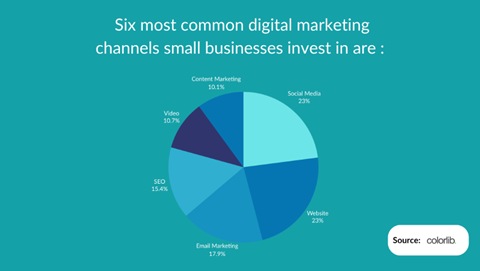
Don’t worry, you don’t have to do it all at once, unless you want to go on a coffee-induced adventure.
Importance Of Digital Marketing for Small Businesses
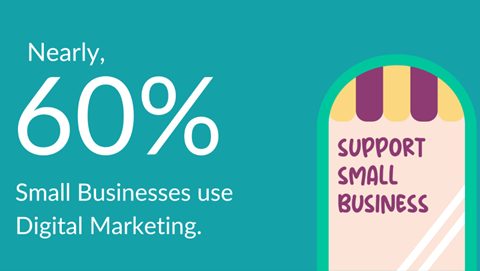
According to Colorlib nearly 60% small businesses use digital marketing due to its scope of reaching a wider audience at a minimal cost.
Here is why it is important:
- Broader Audience Reach:
Digital marketing breaks geographical barriers, allowing small businesses to reach customers worldwide.
The better your ads/reels perform, the more people will be aware of your existence and more likely to buy from you.
- Cost-Effectiveness:
Compared to traditional marketing, digital marketing is significantly less expensive, making it ideal for businesses with limited advertising budgets and resources.
- Measurable Results:
With digital marketing, you can track the success of your campaigns in real-time using tools like Google Analytics and Microsoft Clarity.
- Data-Driven Insights:
Digital marketing offers insights into customer preferences and behavior, helping businesses tailor their offerings.
- Equal Opportunities:
Small businesses can compete with more prominent players thanks to the accessibility of digital marketing tools.
5 Ways to Use Digital Marketing to Grow Your Small Business
- Creating a Strong Online Presence:
According to Adaptive Marketing, 97% of consumers use the Internet to find businesses. Having an online presence is not just about having a website and social media handles, it can be a start of it.
Here are some of the important parts of what online presence also includes:
- Build an email list
- Master SEO
- Create value
- Be active online
- Analyze your results
- Adopt new forums
- Multi-Channel Marketing
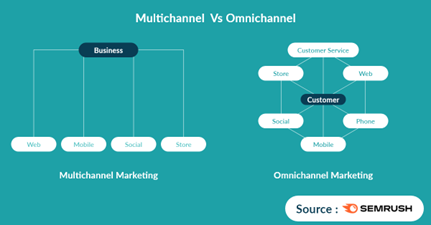
Multi-channel marketing involves interacting with customers through combinations of direct and indirect communication channels, such as physical stores, emails, and social media, and persuading them to act. Payer enrollment and credentialing companies offer services and use these multichannel marketing networks both as a service and to promote their services as well.
The actions can depend on your campaign’s goals, such as getting them to sign up for your newsletter or download your application.
Often, multichannel marketing is confused with omnichannel marketing. While they may seem similar, there is a huge difference. Here is a picture that can help.
You can use prospecting tools like ReachStream, which are worth the goose chase in your initial days.
ReachStream is a B2B sales and marketing data platform that helps businesses build cold email lists of their ideal customer profiles.
Currently, ReachStream has 22M+ company and contact data with easy filtering options like:
- Job Title
- Industry
- Technology
- Company Name
- Employee Size
- Revenue Size
- Location
Each contact data is comprised of 20+ insights, such as name, fax number, address, email, and more.
While signing up for a data provider can be a tough call, here is a scannable comparison of 10 Best B2B Contact Database Providers in 2024.
- Social Media Marketing
Social media platforms are powerful tools for engaging with your audience. Regularly posting engaging content, interacting with followers, and running targeted ads can significantly increase your brand’s visibility and attract new customers.
- Email Marketing
Email marketing remains one of the most effective digital marketing strategies. It allows businesses to send personalized messages to their audience and promote offers, content, and events directly in their inboxes.
- Improve Your Local SEO
SEO is the most important factor to help your brand get awareness and create credibility in the market as a problem solver, while local SEO is best suited for businesses with physical stores to increase the foot count.
Conclusion
Digital marketing presents small businesses with unparalleled opportunities for growth, engagement, and customer acquisition. By understanding the basics of digital marketing and implementing the strategies outlined above, small businesses can achieve significant growth and compete effectively in today’s digital world.
FAQs
- What is the first step in starting digital marketing for a small business?
Begin with a solid strategy that includes defining your target audience, setting clear objectives, and selecting the right digital channels to reach your audience.
- What is content marketing, and how does it fit into digital marketing for small businesses?
Content marketing involves creating and sharing valuable, relevant, and consistent content to attract and retain a clearly defined audience. For small businesses, it’s a way to establish expertise, build brand awareness, and engage with customers through blogs, Tik Tok videos, and infographics.
- Can digital marketing replace traditional marketing for my small business?
While digital marketing offers many advantages, it may not be a complete replacement for traditional marketing. The best approach often involves a mix of both, depending on your target audience, industry, and specific business goals. Techniques like marketing mix modeling analyze channel performance and guide smarter budget allocation.
- Is mobile optimization important in digital marketing?
Yes, it is important. With the increasing use of smartphones for internet access, your digital marketing content must be optimized for mobile devices to ensure a good user experience and improve your SEO rankings.
- What is the best way to start email marketing?
Begin by building a list of subscribers who have opted in to receive communications from you. Use an email marketing service to create engaging email content that provides value to your audience, such as exclusive offers, informative content, or updates about your business.
- How can I improve my local SEO?
To improve local SEO, ensure your business is listed on Google My Business and other online directories, use local keywords in your website’s content and metadata, and encourage satisfied customers to leave positive reviews online.
- What are some common digital marketing mistakes small businesses should avoid?
Some common mistakes include neglecting mobile optimization, ignoring the power of email marketing, underestimating the importance of content quality, not utilizing analytics to measure performance, and spreading efforts too thin across too many channels without a focused strategy.